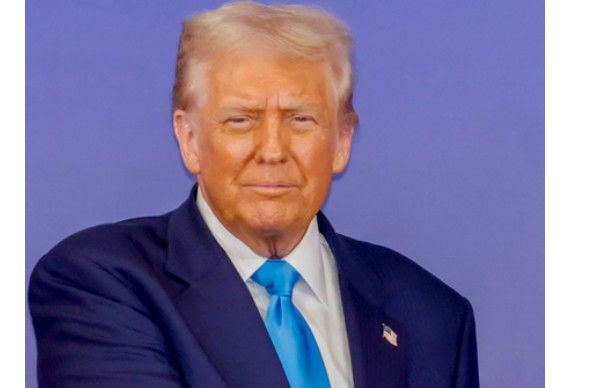
Washington, Jan 4
President Donald Trump said the United States will “run” Venezuela for a period following the arrest of Venezuelan leader Nicolas Maduro, declaring that Washington would oversee a transition while rebuilding the country’s oil sector and maintaining a continued American presence tied to energy interests.
Trump, at a news conference in Mar-a-Lago, outlined what he described as an extraordinary U.S. operation and its aftermath.
Asked who would govern Venezuela, he said, “We’re going to be running it with a group,” adding that the administration was already “designating various people” to manage the transition.
On the possibility of U.S. troops on the ground, Trump said, “We’re not afraid of boots on the ground,” noting that American forces had already been involved during the operation.
He stressed that Washington was prepared to act again if necessary, saying the United States was “ready to go again if we have to.”
The president said the United States would maintain a continued presence linked to Venezuela’s oil sector.
“We’re going to have a continued presence as it pertains to oil,” Trump said, arguing that rebuilding the energy infrastructure was central to stabilising the country and funding its recovery.
Trump said the operation aimed to prevent remnants of the Maduro regime from retaining influence.
Asked whether he was concerned that “bad elements” would remain, he replied, “We know who they are. We’re on them,” adding that their behaviour had already changed.
Questions about congressional notification were directed to Secretary of State Marco Rubio, who said the mission could not be disclosed in advance.
“This was not the kind of mission that you can do congressional notification on,” Rubio said, warning that advance notice “endangers the mission.”
Trump was also asked about the broader geopolitical impact, including relations with China and Russia.
He said the United States would sell Venezuelan oil on the global market and rejected the idea that the operation would limit future energy exports.
Responding to criticism that past U.S. interventions lacked clear plans for what followed, Trump said, “Not with me,” citing previous operations he described as successful. He said he wanted a transition to happen “quickly” but insisted it would take time to rebuild what he called “rotted” infrastructure.
Pressed on why administering a South American country aligned with his “America First” doctrine, Trump said stability in the region was a U.S. interest. “We want to surround ourselves with good neighbours,” he said, adding that Venezuela’s energy resources were important to protect.
Trump was also asked whether the move sent a message to Cuba. He described Cuba as “a failing nation” and said the United States wanted to help its people, while Rubio warned that officials in Havana “would be concerned at least a little bit.”
Toward the end of the exchange, Trump was asked about Russian President Vladimir Putin. “I’m not thrilled with Putin,” he said. “He’s killing too many people,” adding that he wanted to stop the war and the loss of life.
Venezuela has been mired in a prolonged political and economic crisis marked by international sanctions, disputed leadership claims and a sharp decline in oil production, developments that have driven millions of Venezuelans to leave the country and drawn sustained U.S. attention to the region.