














Business
UK trade pact doesn’t restrict India’s use of compulsory licensing in any form
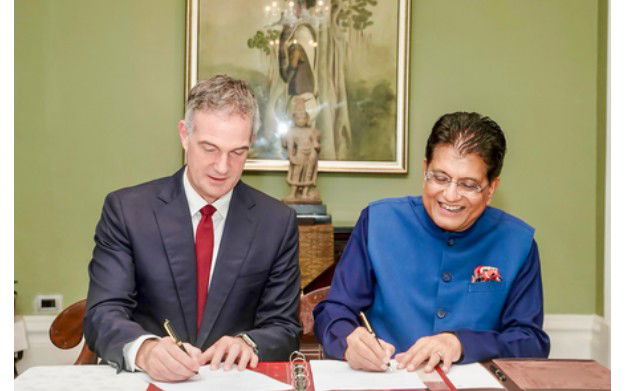

2 hours ago
New Photo Policy Helps Prevent Immigration Fraud Through Enhanced Identity Verification

2 hours ago
ZEE5 to Stream Kesariya@100, a Docuseries capturing the RSS’ Century-Long Journey

2 hours ago
MoS Pankaj Chaudhary files nomination for Uttar Pradesh BJP chief post

2 hours ago
From Red corridors to rehabilitation: Bastar’s mass surrenders signal fading grip of Naxalism

2 hours ago
Instead of gun in hand, I have hockey stick: Ex-Maoists embrace new beginnings at Bastar Olympics

2 hours ago
Increased FDI limit in insurance to boost innovation, insurance penetration: Industry

2 hours ago
Our shipyards powering PM Modi's vision to make India a top shipbuilder: Minister

2 hours ago
India has potential to become global leader in AI-supported stroke management: Experts

2 hours ago
Future looks bright for ‘very, very talented’ India U19 men’s ahead of next year’s World Cup

2 hours ago
Mandhana congratulates Harmanpreet after PCA unveil stand in her honour

2 hours ago
Mamata Banerjee announces judicial committee to probe chaos at Salt Lake Stadium over Lionel Messi’s visit

2 hours ago
Jackie Shroff honours Smita Patil’s legacy on her 39th death anniversary

2 hours ago
Aditya Dhar says ‘Dhurandhar’ ‘Part 2 is coming’ on Hrithik Roshan's second review